
Blog
One Touch. One Instant MCP System Alert.
Reviewed by the Louis Fire & Safety engineering team Published 20 May 2026 · Updated 20 May 2026

Why Manual Call Point (MCP) Systems Are Critical for Emergency Fire Response
In emergency situations, immediate alarm activation can significantly impact evacuation efficiency, emergency coordination, and overall fire response effectiveness. A delayed alert, even by a few seconds, can increase operational risks and affect occupant safety during critical situations. That is why Manual Call Point System (MCP) systems remain one of the most important components of modern fire alarm infrastructure. With a single press or break-glass activation, an MCP unit can instantly trigger the building’s fire alarm system, helping occupants initiate rapid emergency response procedures when immediate human intervention is required.In high-occupancy commercial, industrial, and marine environments, reliable emergency communication systems are essential for maintaining operational safety and emergency preparedness.
What is a Manual Call Point (MCP)?
A Manual Call Point System (MCP), commonly referred to as a break glass unit, is a fire alarm device designed to allow individuals to manually activate the fire alarm system when smoke, fire, or emergency conditions are identified.Unlike automatic detectors that respond to heat or smoke, MCP systems rely on manual
activation, providing an additional layer of emergency response capability during critical situations.
MCP units are strategically installed in accessible locations such as:
- Emergency exits
- Staircase access points
- Corridors and evacuation pathways
- Industrial operational zones
- Commercial facilities
- High-occupancy public areas
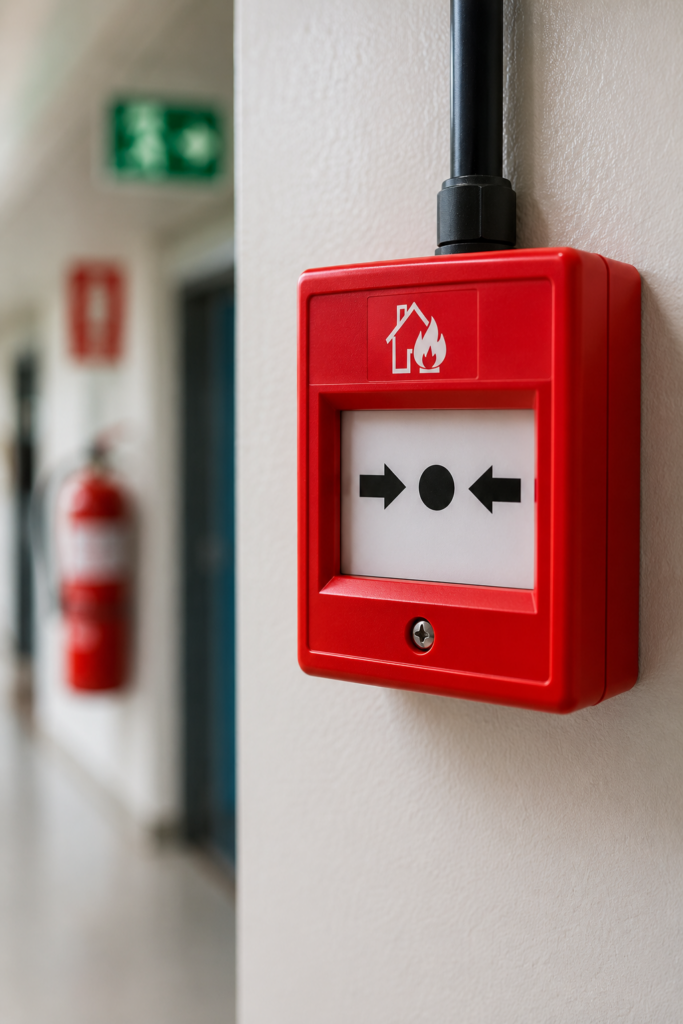
Proper placement improves accessibility and supports faster emergency communication during evacuation procedures.
Why Fast Alarm Activation Matters
During fire emergencies, response time directly affects safety outcomes.
A properly functioning MCP fire alarm system helps:
- Trigger immediate alarm activation
- Support faster evacuation procedures
- Improve emergency communication efficiency
- Reduce evacuation delays
- Enhance overall fire alarm responsiveness
- Improve emergency preparedness
- Support operational safety and compliance
🚨 Did You Know?
In large facilities, delayed alarm activation can impact evacuation coordination and emergency response efficiency, especially during high-risk operational situations.
Reliable MCP systems help minimize these risks through immediate manual alert activation.
MCP Systems vs Automatic Fire Detection Systems
Modern fire alarm infrastructure combines both automatic and manual emergency detection systems to improve overall fire response reliability.
Automatic Fire Detection Systems
Automatic detectors identify:
- Smoke
- Heat
- Fire indicators
and trigger alarms automatically when abnormal conditions are detected.
Manual Call Point Systems
MCP systems allow occupants to manually activate the alarm immediately when emergency conditions are visually identified before automatic systems respond.
This additional layer of manual activation improves:
- Emergency communication speed
- Alarm response flexibility
- Evacuation coordination
- Overall fire safety preparedness
Together, both systems create a more reliable and responsive fire protection environment.
Common MCP System Issues
Like all fire alarm components, MCP devices require regular inspection and preventive maintenance to ensure reliable operation during emergencies.
Common operational issues include:
- Damaged break glass units
- Faulty wiring connections
- Dust accumulation
- Corrosion
- Delayed alarm response
- Accessibility obstruction
- Device wear and tear
Without routine inspection, these issues may affect emergency alarm activation reliability when immediate response is required.
In industrial and commercial environments, preventive maintenance plays an important role in reducing operational risks associated with emergency system failure.
Importance of Routine MCP Inspection & Preventive Maintenance
Routine inspection and preventive maintenance help ensure MCP systems remain accessible, operational, and emergency-ready at all times.
Professional MCP inspection and testing help:
- Verify alarm activation functionality
- Improve fire alarm system reliability
- Identify hidden operational faults
- Support safety compliance requirements
- Reduce unexpected emergency failures
- Improve long-term operational performance
For commercial buildings, industrial facilities, warehouses, and marine environments, preventive maintenance is essential for maintaining dependable fire safety infrastructure.
The Role of MCP Systems in Modern Fire Safety Strategies
Modern fire safety is no longer focused only on compliance. Today, organizations prioritize:
- Operational continuity
- Risk reduction
- Emergency preparedness
- Occupant protection
- System reliability
Reliable MCP systems support these objectives by improving emergency response communication and evacuation coordination during critical incidents.
In high-risk operational environments, even a few seconds can make a significant difference in emergency response outcomes.
That is why properly maintained MCP systems remain a vital part of comprehensive fire protection strategies.
Professional Fire Safety Support from Louis Fire Safety
We provide professional fire safety solutions designed to support reliable emergency response systems across commercial, industrial, offshore, and marine environments.
Our services focus on:
- Fire alarm system support
- MCP inspection & testing
- Preventive maintenance
- Emergency preparedness
- Compliance-focused fire safety solutions
- Operational safety support
Our goal is to help businesses maintain reliable fire protection infrastructure that supports safer operations, improved emergency readiness, and long-term system reliability.
Live Projects Updates
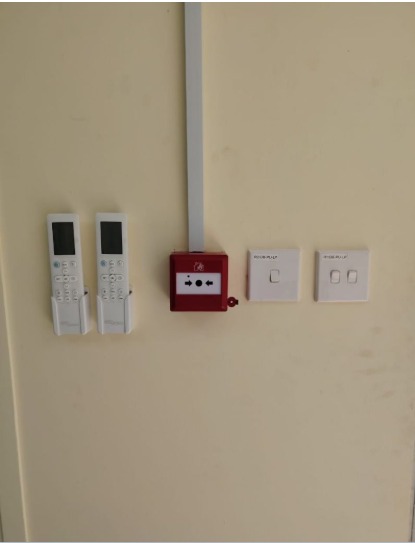
Manual Call Point System (𝗠𝗖𝗣) 𝗜𝗻𝘀𝘁𝗮𝗹𝗹𝗮𝘁𝗶𝗼𝗻 𝗖𝗼𝗺𝗽𝗹𝗲𝘁𝗲𝗱
Another step forward in strengthening on-site fire safety systems. Our team has successfully installed and tested a Manual Call Point (MCP), ensuring quick and reliable fire alarm activation when needed most.
.
Conclusion
Manual Call Point systems continue to play a critical role in modern fire alarm infrastructure by enabling immediate manual alarm activation during emergency situations.
A properly maintained MCP system helps organizations improve emergency response efficiency, support faster evacuation procedures, reduce operational risks, and strengthen overall fire protection reliability.
Routine inspection, preventive maintenance, and professional fire safety support are essential for ensuring dependable emergency communication when it matters most.
Because during critical moments, one touch can make all the difference.
👉 Looking to improve your fire alarm reliability and emergency preparedness?
Your Fire Protection Partner
Contact Louis Fire Safety today for your free project estimate!
Get Started→